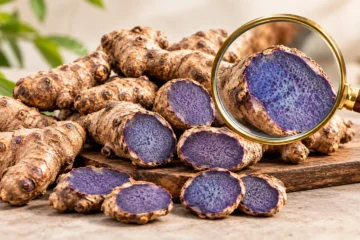
Introduction
A spice or herb is usually classified by the plant part used: herbs are the leaves, while spices are seeds, bark, roots, buds, or fruits. For importers and manufacturers, the practical choice is the form that delivers the right flavor, consistency, and handling in production.
That is why a plain definition is only the start. Buyers also need to know whether they need whole material, flakes, powder, or an extract, and how each option will behave in storage, blending, and finished products.
Use the plant part to tell herbs from spices
A herb is the leafy part of a plant used for aroma or taste. A spice is usually any other plant part used for the same purpose, such as seed, bark, root, bud, fruit, or dried flower. The terms describe where the ingredient comes from on the plant, not how strong it tastes.
This distinction helps buyers read specifications more clearly. Leafy material often dries, cuts, grinds, and stores differently from bark, seed, or root. It also explains why an agro products and spices exporter may handle both under one range: the trade channel is shared, but the raw material and processing needs are different. For day-to-day sourcing, classify the ingredient by plant part first, then assess the form and quality standard you need.
Why the same plant can be sold in different forms
One crop can be sold in several forms because buyers’ processes aren’t always the same. A tea blender may want visible cut material, a seasoning plant may need powder for even mixing, and a sauce line may prefer extract for cleaner dosing.
That is why the crop name alone is not enough. When you review a ginger flakes and powder page, check the form, cut size, particle consistency, aroma, and pack style. Each format changes how the ingredient moves through storage, freight, scaling, and production. The right choice fits the line, not just the label.
Spice or herb: how seasonings fit into the picture
Herbs and spices describe what the raw ingredient is. Seasoning describes how that ingredient is used in food.
A seasoning can be a single ingredient or a blend. It may contain one herb, one spice, several aromatics, salt, or other functional ingredients. That is why a buyer asking for seasoning may need a ready-to-use blend, while a buyer asking for a ghost chili product page may need one ingredient in dried or powdered form.
Keep those ideas separate in your purchase documents. Category tells you the plant source. Seasoning tells you the application. If a brief mixes them together, you can end up with the right flavor family in the wrong form, or with a blend where a single ingredient was required.
Match the ingredient form to the job in your product
-
Start with the process. Choose whole dried material when you need visible identity, gentler aroma release, or steeping before removal. Done looks like pieces that hold their shape through packing and can be screened, infused, or milled later.
-
Match dispersion to the matrix. Choose powder when the ingredient must spread evenly through dough, batter, dry blends, or fillings, much like other raw banana powder formats. Done looks like a consistent grind that blends cleanly without obvious specking or settling.
-
Protect aroma in storage. Choose flakes or cut material when you want more surface area than whole pieces but less dust and volatility than powder. Done looks like a free-flowing form that packs efficiently, doses repeatably, and reaches production with its aroma intact.
Quick reference for herbs, spices, and seasonings
|
Question |
Herb |
Spice |
Seasoning |
|---|---|---|---|
|
Defined by |
Leafy part, such as basil leaf |
Non-leaf part, such as cinnamon bark or ginger root |
Food-use role, such as a snack coating blend |
|
Common forms |
Whole leaf, cut leaf, flakes, powder |
Whole, cracked, flakes, powder, extract |
Single ingredient or blended dry or liquid system |
|
Best fit |
Visible leaf identity and green notes in soups or sauces |
Warm, sharp, earthy, or pungent notes in mixes and fillings |
Ready-to-use flavor delivery when the formula needs speed and repeatability |
|
Main checks |
Color, stem content, breakage, cut size |
Aroma retention, grind consistency, dust, hard particles |
Blend uniformity, carrier ingredients, label fit, dispersion |
The table shows that herbs and spices are raw-material categories, while seasoning is a product-use category.
Choose a supplier that can document, pack, and ship consistently
Choose the ingredient form first, then choose the supplier that can prove it will arrive the same way each shipment. Whole dried material suits steeping or visible identity, while powders and cut forms suit blending, dosing, and tighter process control.
The deciding factors are clear specifications, protective packing, and steady export handling. A supplier should be able to document the form you are buying, explain how it is packed, and support traceability from batch release to dispatch.
If you need a reliable source for dried ingredients, powders, or export-ready packaging, contact Genivo Global for a sourcing discussion.